
The History of Thomas Crapper
“He started a business and created a legend”
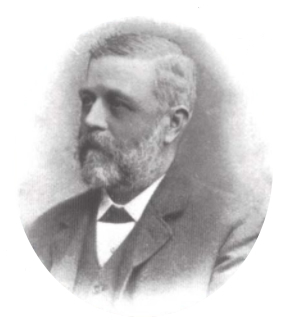 In 1861 Thomas Crapper started a plumbing and sanitary engineering business. He quickly gained a reputation for high quality work. As the business grew Thomas realised that there was a sizeable market for high quality bathrooms and toilets in addition to his services as a plumber. This led him to open the world’s very first bathroom showroom in 1870 to complement his plumbing services. Today we retain that same pride in the quality of product that Thomas himself set and now offer a wide range of exceptional bathroom products.
For over 150 years Thomas Crapper & Co. has been true to the ethos that if you buy the right quality you only have to buy once. This is certainly the attitude which saw the company awarded several Royal Warrants. Sometimes it is the little things that make a difference. Our attention to detail leads us to find, create and develop the very finest products, which we are delighted to share with you in this brochure. We call these details “The Crapper Difference” and we’re sure you will enjoy exploring them.
All our products have been developed using the highest quality materials and traditional manufacturing techniques whilst incorporating advances in technology to suit modern plumbing practices without affecting the integrity of the product. Whether you are looking for a spectacular showpiece for your downstairs loo, a stunning feature bathroom or some top quality accessories, we are certain you will find items to inspire and delight.
Thank you for allowing us the opportunity to share with you our product range. We believe that you can’t say “Crapper” without smiling and we want your smiles of delight for our beautiful range to last for many years to come.
